

ADHD Diagnosis in the UK
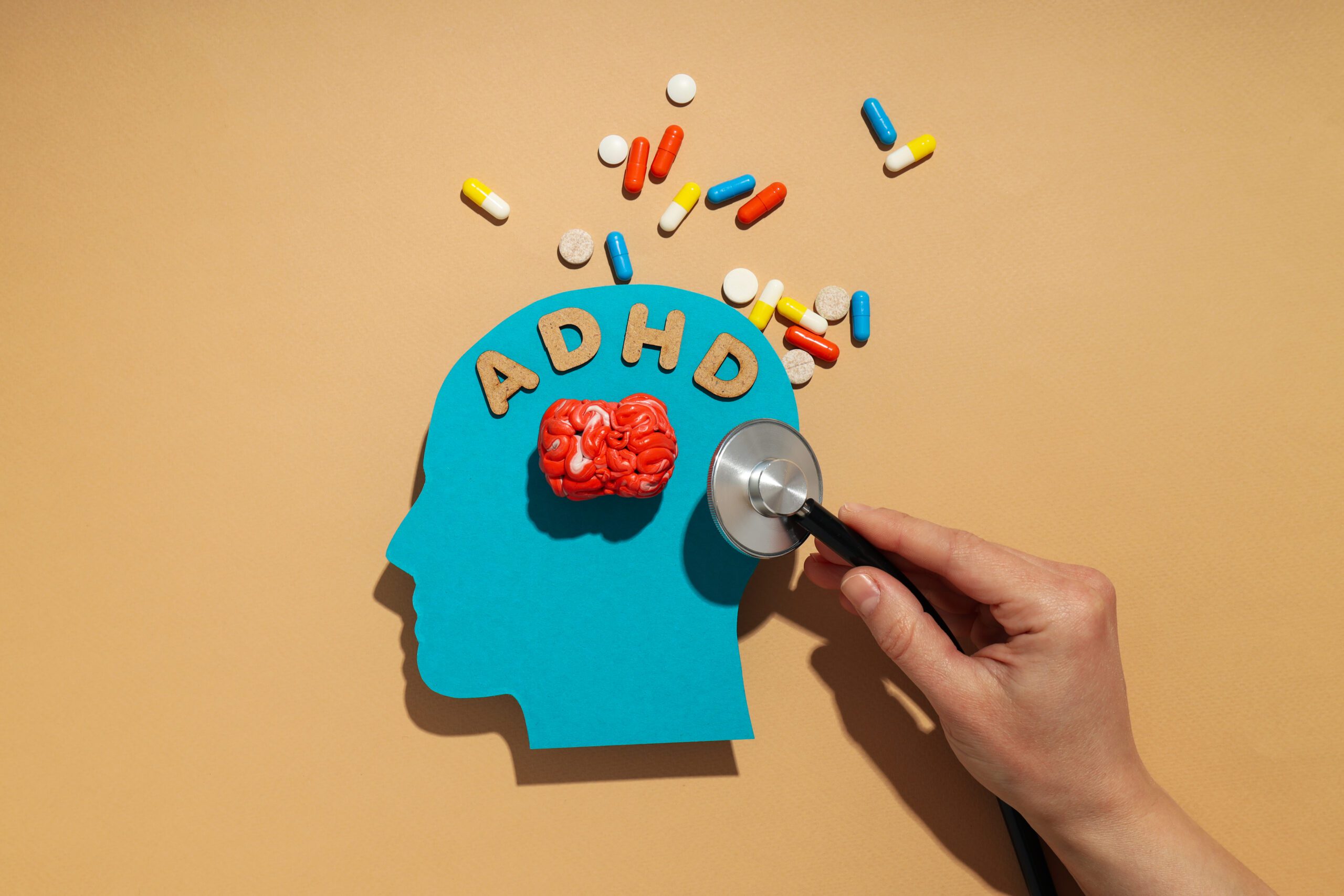
Attention deficit hyperactivity disorder (ADHD) is the most frequent neurodevelopmental disorder in young and children. It is also prevalent in adults.
It is vital for patients to be diagnosed early and treated with effective treatments to reduce the risk of negative social and health outcomes. But research suggests that this isn't always being done.
The signs
ADHD is a neuro-based disorder that can impact all aspects of your life. Symptoms usually start in childhood, but they can last into adulthood.
A diagnosis of ADHD should be based on a thorough background and evaluation. ADHD symptoms must present before 12 years of age and may be present in multiple settings (at school, home or with family or friends) and be disruptive to school, work, or social life.
You may feel a lack of or difficulty staying focused or paying attention, trouble staying focused on your tasks, problems organizing or planning ahead and losing things easily. They might also be prone to mood swings and irritation, as well as anxiety and irritation.
It could take a long time to find out if your child suffers from ADHD and to receive a diagnosis. A clear diagnosis can help your family determine the best way to manage the symptoms.
Request your GP to recommend you to a psychiatrist who is specialized in treating mental disorders. This will enable you to have access to more experienced specialists and assist you in selecting the right medication for your child's needs.
Your doctor will likely recommend you to your local community mental health service, who will then arrange an appointment with you. This will involve an assessment with a neurobehavioural therapist, who specializes in helping people with ADHD.
The most common symptoms of ADHD are inattention and hyperactivity/impulsivity. These symptoms are often grouped together however they can be identified as distinct.
Inattention A person who isn't able to pay attention to what is happening around them, particularly when there is noise or activity. This can manifest in children as a difficulty concentrating on schoolwork, listening to instructions, or following directions. For adults, this may be a problem keeping up with bills, or organizing paperwork or other chores.
Hyperactivity/impulsivity: Is restless and fidgety, or cannot stay seated when it's expected, such as in church or at school. It can manifest as climbing or running even though it's not permitted.
ADHD is often treated with medication and therapy. These treatments can improve the overall functioning of your child and help them become more independent. These treatments can also help your child feel more confident about their abilities.
Diagnosis
The diagnosis of ADHD is a complicated process. Without a thorough evaluation that includes a detailed medical and psychosocial history, it can be difficult to determine ADHD. This is where the knowledge of an experienced ADHD psychiatrist comes in. The specialist will need to look over the patient's record, including school reports, interviews with parents, teachers and other individuals who are familiar with their symptoms. They'll also discuss how the symptoms affect the patient's day-today activities.
If an individual child is diagnosed with ADHD it is crucial that the proper treatment is offered promptly. This may include behavioural interventions that employ strategies and strategies to help the child manage their ADHD symptoms. Certain children and adolescents require counseling or other psychological help.
Many children are referred to community pediatric services or Child and Adolescent Mental Health Services (CAMHS) in primary treatment for their initial assessment. CAMHS can offer psychosocial assistance and can refer to an ADHD service for further evaluations.
However, CAMHS and community pediatric services might not have the knowledge or expertise required to accurately diagnose ADHD. It is therefore crucial to have a clear referral pathway across all areas of the UK.
There are a variety of help-seeking options available for people suspected of having ADHD. These include voluntary and charitable organizations as well as private health care. Patients who have the lowest income and who do not want to pay for private healthcare can access free or low-cost non-clinical assistance from these organizations.
These services include dissemination of information as well as signposting, peer and social support. They also include friendship and prevent loneliness counselling, advice clinics, and counseling. These groups are beneficial for those who aren't eligible for clinical services. They can reduce loneliness and aid in recovery.
The charity ADHD Alliance convened a consensus meeting to conclude that there are still major issues in accessing services to adults, especially in the UK. Areas that do not have ADHD services are often left in limbo, unable get the help they require. Similarly, diagnosis of adhd living in areas that offer ADHD services are often restricted and face lengthy waiting lists for treatment.
Treatment
ADHD is a mental disorder that affects the brain and can be treated with different treatment options. There are a number of approved medications that treat the condition in the UK, including stimulants (such as methylphenidate) and one non-stimulant medicationcalled lisdexamfetamine (Elvanse).
ADHD symptoms can be treated by taking medication, but it might not be effective for everyone. Some people prefer to try non-medication therapies first, which can include cognitive behavioral therapy (CBT). There are many strategies that can be used in order to improve your mood, overall well-being and general health.
A therapist who is specialized in ADHD treatment can be very helpful. They can help you identify your needs and formulate the most effective treatment plan. If you are not able or unwilling to use medications, they can tell you how to manage the illness.
The National Institute for Health and Care Excellence's guidelines for adults suggests a holistic method of diagnosing and treating ADHD. This includes testing for mental health as well as a physical examination and a customized treatment recommendation. There are many self-help tools accessible through the NHS for people suffering from ADHD.
While a diagnosis may be difficult, it is crucial to receive it as soon as possible. This will reduce the chance of you developing the condition in the future and will enable you to access the appropriate treatment.
After your diagnosis has been confirmed after which you can discuss your medication with a specialist psychiatrist or psychologist. Your psychiatrist will then recommend the most effective treatment for you. You can also obtain an outline from your psychiatrist about how to properly take the medication and when to see your doctor if you have any questions.
Another way to assist your child in managing their symptoms is to ensure they follow a prescribed routine and clearly defined boundaries. This can make a big difference in how your child handles their daily life.
If you are concerned about the signs of ADHD in your child or behavior, it's a good idea to make an appointment with a GP to have a check-up. They could refer you to appropriate services for ADHD diagnosis and treatment.
Support
Attention deficit hyperactivity disorder (ADHD) is a frequent neurological condition that affects around 2.5 percent of the adult population. It is characterised by a set of behaviors that typically begin in childhood. It is a neurodevelopmental disorder that can result in life-altering consequences for those who suffer from it.
There are numerous charities and organizations that can aid you or your child, if they've been diagnosed with ADHD. These charities can provide support for issues such as advice clinics, friendship, social support, signposting, peer support, and information dissemination.
Your GP could be able to help you with your ADHD symptoms. They will need to see your medical records and school reports to confirm your symptoms.
Certain people with ADHD may also benefit from cognitive behavioural therapy (CBT) which is a type of therapy that helps you change your thoughts and behaviour. This therapy is extremely beneficial and can improve your quality of life.
Many people who suffer from ADHD want to change their behaviour and learn how to manage the condition better. Some of these people have other issues as well like depression or anxiety, so it is important to see your GP or ADHD specialist to make sure your mental health needs are taken care of as well.
In the UK In the UK, you can get help from your local ADHD center, which may be run by a GP or a charity. These centers are staffed by specialists who can assist clients with issues like counseling, psychiatric treatments and assistance for children who suffer from ADHD.
You can also speak to your child's physician or school about any changes you must make to ensure they can thrive in education and at home. They may be able suggest ways to improve the routines they have in their lives for example, setting clear boundaries and requiring them to complete regular tasks to complete.
There aren't any reasonable adjustments for students at university with ADHD in the UK, but a number of universities are trying to address the issue by creating avenues of assistance for their students that allow them to receive psychological and medical evaluation quickly and efficiently. This is especially crucial in light of the fact that the waiting time to receive a diagnosis of ADHD is more than a year.